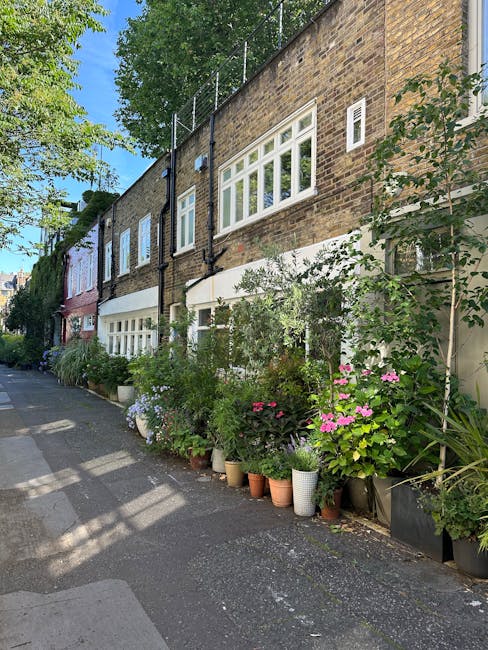
Gardeners permits and driveway access rules in Limehouse E14
If you are arranging garden work in a busy part of East London, the small details matter more than people expect. Gardeners permits and driveway access rules in Limehouse E14 can decide whether a visit runs smoothly, starts late, or turns into a frustrating back-and-forth about parking, access, and permission. That is true whether you are booking a one-off tidy-up or a regular maintenance visit.
In Limehouse, space is tight, pavements can be narrow, and driveways are often shared, gated, or awkwardly positioned. So the practical question is not just "can the gardener get here?" It is "where can they park, how do they enter, what needs permission, and who is responsible for what?" This guide breaks all of that down in plain English, with useful steps you can actually use. No fluff. Just the stuff that helps.
Table of Contents
- Why Gardeners permits and driveway access rules in Limehouse E14 Matters
- How Gardeners permits and driveway access rules in Limehouse E14 Works
- Key Benefits and Practical Advantages
- Who This Is For and When It Makes Sense
- Step-by-Step Guidance
- Expert Tips for Better Results
- Common Mistakes to Avoid
- Tools, Resources and Recommendations
- Law, Compliance, Standards, or Best Practice
- Options, Methods, or Comparison Table
- Case Study or Real-World Example
- Practical Checklist
- Conclusion
- Frequently Asked Questions
Why Gardeners permits and driveway access rules in Limehouse E14 Matters
Garden work is often seen as straightforward, but access is where the real-world complications begin. In Limehouse E14, homes may sit on busy residential roads, live near controlled parking zones, or share access routes with neighbours. A gardener who cannot park safely or reach the garden without blocking traffic is already starting on the back foot.
This matters for several reasons. First, access affects timing. A crew carrying hedge trimmers, waste bags, mowers, and ladders does not want to walk half a mile because the vehicle had nowhere to stop. Second, access affects safety. If tools are unloaded on a tight pavement beside moving traffic, everyone feels it. Third, permissions affect trust. If a driveway is shared or privately managed, assuming access without agreement can cause avoidable conflict. And honestly, nobody wants a tense conversation with a neighbour before the job has even started.
There is also the practical money side. Delays, extra walking time, missed slots, and parking penalties can all make a simple maintenance visit less efficient. That can influence quotes, scheduling, and the type of service that makes sense. For larger projects, especially when you are considering landscaping work or a more involved redesign, access planning becomes part of the project itself rather than an afterthought.
Expert summary: the best garden jobs in Limehouse are not just well cut or neatly cleared; they are well planned from the kerb to the back fence.
How Gardeners permits and driveway access rules in Limehouse E14 Works
There is no single universal "gardener's permit" that covers every situation. In practice, the phrase usually refers to a mix of parking rules, driveway permission, access arrangements, and sometimes special permissions for commercial vehicles or loading. That is where people get mixed up. The permit is not always for the garden itself; it is often about how the gardener reaches the property and where the vehicle can legally stop.
In an area like Limehouse, the gardener may need to think about several layers of access. A driveway may be private but narrow. A front garden may open onto a shared path. A side return might be gated. Or the only practical stop may be on-street, subject to local parking controls. Each of those scenarios has slightly different expectations.
Usually, the process goes like this: the customer confirms what access is available, the gardener checks whether a vehicle can stop without causing obstruction, and both sides agree how tools and waste will move in and out. If a driveway is available, the owner normally needs to confirm that the vehicle may use it. If a permit or parking dispensation is needed, this may depend on the vehicle type, the street, the time of day, and whether the stop is for unloading rather than full parking.
For routine visits, this is often as simple as sharing clear arrival instructions. For more involved work, especially if a team needs to bring in machinery or remove green waste, the arrangement should be written down or at least confirmed clearly before the day. Services such as garden maintenance and lawn mowing usually need lighter access planning than full clearance jobs, but even small jobs can become awkward if a parking bay disappears or a gated driveway is locked.
One simple rule helps: if the gardener cannot reasonably unload, work, and leave without blocking someone or risking a penalty, the access plan is not finished yet.
Key Benefits and Practical Advantages
Good access planning is not just about avoiding trouble. It actually improves the quality of the work. That sounds obvious, but in practice it makes a big difference.
- Faster arrivals: the team spends less time circling for a spot or phoning for directions.
- Cleaner handovers: tools and waste can be moved more efficiently when the route is agreed.
- Lower risk of complaints: neighbours are less likely to be affected by blocked entrances or repeated reversing.
- Better pricing clarity: if the access requirements are known up front, the quote is more realistic.
- Less damage risk: tight driveways, paving edges, and shared entries are easier to protect when the gardener knows the layout.
- More dependable scheduling: jobs finish on time more often when there is no access confusion.
There is another benefit people overlook: access rules help the customer choose the right service. A compact front drive might suit regular hedge trimming or lawn care without much fuss. But if the rear garden is reached only through a communal hallway or a narrow side passage, you may need a more carefully staged service. That is why many homeowners combine access planning with a broader review of their outdoor priorities, sometimes after looking at the full service overview.
Who This Is For and When It Makes Sense
This topic is relevant to more people than you might think. It is not just for landlords or commercial sites. In Limehouse, it applies to everyday homeowners, flat owners with shared access, managing agents, and anyone booking a gardener to visit a property with limited parking or controlled entry.
It makes sense if:
- you live on a street with parking restrictions or permit bays;
- your driveway is private, shared, or too tight for a large vehicle;
- the garden is only reachable through a side gate or communal route;
- you are booking a job that creates waste, such as pruning or clearance;
- you need repeated visits rather than a one-off visit;
- you want to avoid neighbour disputes before they start.
For example, a homeowner may only need a quick tidy, but if the gardener is bringing a trailer or collecting cuttings, the access requirements change. The same goes for more substantial work like garden clearance, where bagging, loading, and departure all need to be smooth. A job can look simple on paper and still be fiddly on site. That is just the reality of working in London streets.
It also makes sense for people who want to compare services properly. A careful provider will ask questions about parking, driveway width, gate access, and waste removal before confirming the booking. If they do not ask, that is not automatically a bad sign, but it does mean you should volunteer the information yourself. Saves a lot of hassle later, truth be told.
Step-by-Step Guidance
Below is a practical way to handle permits and access planning without overcomplicating it.
- Map the access route. Start at the road and walk the exact route the gardener will use. Notice gates, steps, narrow turns, low branches, or places where equipment would snag.
- Check the driveway arrangement. Decide whether it is private, shared, or time-limited. If a neighbour also uses it, confirm the arrangement in advance.
- Review parking restrictions. If the gardener must stop on-street, identify any controlled zones, loading restrictions, or time windows. If you are unsure, treat the area as restricted until proven otherwise.
- Confirm vehicle size. A small van is very different from a larger one with equipment or waste to load. Ask what type of vehicle will attend.
- Decide where tools will be stored during the visit. A neat staging spot near the entrance can save repeated trips through the house or garden.
- Plan waste movement. If the job creates clippings, branches, or soil, think about how that waste leaves the property. Services such as tree lopping and removal often need this planned before the first cut is made.
- Share practical instructions. Include gate codes, intercom details, parking notes, and the best place to unload.
- Confirm timing. Busy streets can change quickly. A narrow loading opportunity at 9:00 a.m. may be gone by 9:10. Small window, big effect.
- Keep a backup option. If the driveway is blocked or the preferred bay is occupied, agree in advance on the next best place to stop.
- Recheck for repeat visits. Rules and routines change. A weekly maintenance slot may need a different access plan in winter, when the street is busier or darker.
If the work is part of a longer upgrade, such as new borders, reshaping, or hard landscaping, it is worth linking the access plan to the project timeline from the beginning. That is especially true when the job sits alongside landscape gardening or other broader site work.
Expert Tips for Better Results
Here are the little things that make a surprisingly big difference.
First, send photos. A couple of clear pictures of the driveway, gate, and street frontage can prevent a lot of guessing. You do not need fancy images. Just honest ones taken in daylight, ideally from where a van would approach.
Second, measure the narrow bits. Gate width, side passage width, and turning space are often more useful than the overall garden size. A large garden is not the issue; the bottleneck is.
Third, think about what happens after the job starts. Can the vehicle stay parked where it is? Will it need to move mid-job? Will bins, wheelbarrows, or waste sacks obstruct the path? These small logistics matter. A lot.
Fourth, do not assume a driveway is automatically usable. Shared ownership, resident permits, electric charging bays, and visitor restrictions can all complicate the picture. And yes, sometimes a perfectly good driveway is blocked by someone else's car because real life likes to improvise.
Fifth, ask about waste and recycling. If the service provider takes green waste away, you may want to know how that is handled and whether it aligns with your own preferences. If that matters to you, a provider with a clear recycling and sustainability approach is worth considering.
Sixth, keep communication simple. One message with the address, access notes, gate code, and parking arrangement is better than five separate calls on the day. Everyone is calmer that way.
Common Mistakes to Avoid
Most access problems are preventable. The same mistakes show up again and again.
- Assuming the gardener will "figure it out". Sometimes they can. Sometimes they cannot. Either way, you should not leave it to chance.
- Forgetting to mention shared driveways. This is a classic one. A shared entry needs confirmation, not assumptions.
- Ignoring parking restrictions. A van cannot magically sit somewhere just because it is convenient.
- Locking gates or side entrances without warning. The crew arrives, then waits, then waits some more. Not ideal.
- Not allowing space for waste loading. Clippings, rubble, and branches need room to move.
- Booking the wrong type of service for the access conditions. A lightweight visit may be fine, but a larger clearance job may need a different setup.
- Failing to update the plan for repeat visits. What worked in summer may be less practical in winter or during roadworks.
A small but important point: if the job involves larger items, repeated loading, or significant cutback, the access rules should be reviewed before the first day rather than after the first complaint. Better to spend five minutes now than an hour later explaining why the gate was left open or the pavement was blocked.
Tools, Resources and Recommendations
You do not need specialist software to manage access well. A few simple tools and habits go a long way.
- A tape measure: useful for gates, paths, and turning space.
- Phone photos: a quick visual reference for the provider.
- Notes app or message thread: keep parking and access instructions in one place.
- A rough sketch of the route: helpful if the garden entrance is not obvious from the street.
- Clear labels for gates or bins: especially useful for shared properties.
For customers comparing service options, it can help to browse a provider's pricing and quotes page, then think about whether access complexity is likely to affect the final figure. That does not mean complicated access always costs more, but it often changes how much time is needed. Time matters, naturally.
It is also worth checking the company's basic working standards before booking. Pages like insurance and safety, health and safety policy, and terms and conditions can help you understand how they handle site risk, liability, and service expectations. That is not glamorous reading, admittedly, but it is the kind of detail that saves headaches.
Law, Compliance, Standards, or Best Practice
When people talk about permits and access rules, they often mix together legal requirements, council parking controls, and site etiquette. It helps to separate them.
Legally, vehicles must obey the road and parking rules that apply to the street. If a location is controlled, stopping there without permission may lead to a penalty or a complaint. Practically, anyone working on a property should avoid blocking entrances, creating hazards, or using access in a way that the owner has not agreed to. In best practice terms, good communication before the visit is the cleanest solution.
For garden work, the main compliance issues usually sit around parking, safe loading, obstruction, and responsible waste handling. If heavy tools or pruning waste are involved, a provider should think carefully about manual handling and safe movement through the property. For larger or more complex jobs, that becomes part of the job plan, not just a nice extra. In London, where space can feel tighter than it should, that planning really pays off.
There is no harm in being cautious. If access or parking looks borderline, it is better to clarify it early than to hope for the best. Hope is not a parking strategy.
Options, Methods, or Comparison Table
Different access setups call for different approaches. The table below gives a simple comparison.
| Access method | Best for | Main advantage | Possible drawback |
|---|---|---|---|
| Private driveway | Homes with clear off-street space | Easier unloading and faster setup | May still need owner permission or space planning |
| Shared driveway | Terraces, converted buildings, and mixed-use homes | Can work well if everyone is informed | Higher risk of confusion or obstruction |
| On-street stop | Properties with no off-street access | Convenient when parking is available | May be restricted by local rules or time limits |
| Rear or side access | Gardens hidden from the front | Good for discreet work and waste removal | Can be narrow, locked, or awkward for equipment |
In many Limehouse homes, the best solution is a mix of these methods. For example, a gardener might unload from the street, work through a side gate, and use the driveway only for temporary staging. That can be perfectly fine if everyone knows the plan. The key is not perfection; it is clarity.
Case Study or Real-World Example
Here is a realistic example based on the kind of work people request in E14.
A homeowner in Limehouse booked a spring tidy-up after a long winter left the front and rear beds a bit wild. Nothing dramatic, just a lot of overgrowth and dead material. The property had a narrow driveway, a side gate, and a street where parking could fill quickly after breakfast. On paper, the job looked straightforward. On site, it would have been messy if no one had planned ahead.
The homeowner sent two photos: one of the driveway entrance and one of the side gate. They also confirmed that the driveway belonged to the property and could be used for short loading periods. The gardener arrived with a compact vehicle, unloaded near the gate, and agreed to move the vehicle once the first round of cuttings had been bagged. That meant less carrying, less fuss, and no awkward knocking on neighbours' doors.
The useful bit here is not that everything went perfectly. It is that the access plan was good enough to keep the work moving. The gardener could complete the job without blocking the pavement, and the homeowner did not have to step in to solve preventable problems halfway through. A small thing, maybe. But it made the whole day easier.
For larger jobs that involve shaping, clearing, or structural changes, similar planning applies. A project that includes decking services or broader outdoor improvements will often benefit from the same habit: map the access first, then schedule the work around it.
Practical Checklist
Use this quick checklist before the gardener arrives.
- Confirm the full address and exact entrance point.
- Check whether the driveway is private, shared, or unavailable.
- Note any parking restrictions on the street.
- Measure the gate or access width if the route is tight.
- Share gate codes, buzzers, or entry instructions.
- Tell the gardener where to unload tools safely.
- Explain how garden waste should be removed or stored.
- Warn neighbours if shared access may be affected.
- Keep a backup parking or unloading option in mind.
- Review whether repeat visits need a different arrangement.
Quick takeaway: if the access plan is clear, the garden work usually feels calmer, quicker, and more professional. If it is vague, everything gets harder than it needs to be.
Conclusion
Gardeners permits and driveway access rules in Limehouse E14 are really about making the work practical. Not dramatic. Not complicated for the sake of it. Just practical. When the access route is clear, the parking is sensible, and permissions are confirmed, the job starts better and usually ends better too.
That matters for one-off maintenance, regular visits, heavy pruning, and larger clearance work alike. If you plan the access properly, you protect the property, respect the neighbours, and give the gardener the best chance to do solid work without unnecessary delays.
And honestly, that is what most people want: less faff, fewer surprises, and a tidy garden that does not come with a pile of avoidable stress.
Get a free quote today and see how much you can save.
If you are comparing providers, it can also help to learn more about the team behind the work through the about us page and keep the conversation open via the contact page when you are ready to talk through access details. A five-minute chat now can spare you a lot of backtracking later.
Frequently Asked Questions
Do gardeners in Limehouse E14 need a permit to access a driveway?
Not usually in the sense of a special garden-specific permit. More often, the issue is whether the driveway is private, shared, or affected by parking controls on the street. The key is permission and practical access rather than a standalone gardener permit.
What should I tell a gardener before they visit my property?
Give them the address, the best entrance, driveway details, gate codes if needed, parking notes, and any access restrictions. If the street is tight or busy, mention that too. Clear notes save time and confusion.
Can a gardener use my driveway to unload tools and waste?
Only if you have agreed that they can. A private driveway can be very helpful for unloading, but it still needs the owner's consent. If the driveway is shared, it is best to confirm how and when it can be used.
What happens if there is no parking near the property?
The provider may need to plan alternative unloading or ask whether a short-term stop is possible elsewhere nearby. If the job is large, access limitations may affect timing or the type of vehicle used.
Are driveway access rules different for regular maintenance and clearance jobs?
Yes, they often are. Routine tasks like mowing or trimming usually need less space than heavier jobs that create a lot of waste. Clearance work can require a better loading plan and more room to move bags or branches.
What if my driveway is shared with a neighbour?
Then it is worth confirming the arrangement beforehand. Shared driveways can work perfectly well, but everyone needs to know when access is needed and where the vehicle can stop without causing a block.
Should I mention access issues when asking for a quote?
Absolutely. Access can affect time on site, parking difficulty, and how the job is organised. If you share the layout up front, the quote is more likely to reflect the real work involved.
Can access problems delay the work?
Yes, they can. A locked gate, restricted street, or blocked driveway can all delay the start of a job. In a place like Limehouse, even a few minutes matter if parking is tight.
How do I know if my property is suitable for larger garden work?
Start with the route from the road to the garden. If larger equipment, waste bags, or branches would struggle to pass through, the job may need a different setup or a more staged approach.
What is the best way to prepare for a gardener's arrival?
Walk the route, check the driveway, clear obvious obstacles, and send access notes in one message. That is usually enough to make the visit smoother. Simple, but effective.
Do I need to worry about waste being left on the driveway?
It depends on the job and the agreement. Some jobs involve temporary staging before waste is removed. If you do not want materials left on the driveway, say so in advance and make sure the plan is clear.
Where can I find more information about the service and working standards?
Useful starting points include the provider's services overview, insurance and safety, and health and safety policy. Those pages help you understand how the work is organised and what standards are expected.