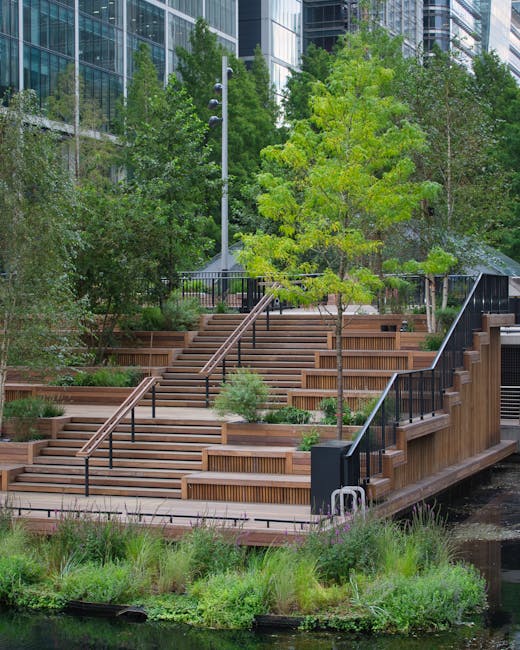
Limehouse gardeners serving Narrow Street and Limehouse Basin
If you live or work around Narrow Street or near Limehouse Basin, you already know the area has its own rhythm. Balconies catch the morning light, courtyard beds can feel a bit shaded, and riverside winds do what they want, when they want. That is exactly why Limehouse gardeners serving Narrow Street and Limehouse Basin matter: they bring local know-how to gardens that need more than a generic tidy-up.
Whether you are looking after a compact patio, a communal entrance, a roof terrace, or a small garden squeezed between brick and railings, the right gardening support can make the difference between "fine for now" and genuinely thriving. In this guide, we'll look at how local garden care works, what good service looks like, which jobs are worth outsourcing, and how to avoid the small mistakes that turn into bigger headaches. Truth be told, a lot of garden problems in East London are less about neglect and more about the wrong approach.
To help you navigate it all, this article covers practical steps, common pitfalls, and a realistic view of what to expect from a local gardener in Limehouse.
Table of Contents
- Why Limehouse gardeners serving Narrow Street and Limehouse Basin Matters
- How Limehouse gardeners serving Narrow Street and Limehouse Basin Works
- Key Benefits and Practical Advantages
- Who This Is For and When It Makes Sense
- Step-by-Step Guidance
- Expert Tips for Better Results
- Common Mistakes to Avoid
- Tools, Resources and Recommendations
- Law, Compliance, Standards, or Best Practice
- Options, Methods, or Comparison Table
- Case Study or Real-World Example
- Practical Checklist
- Conclusion
- Frequently Asked Questions
Why Limehouse gardeners serving Narrow Street and Limehouse Basin Matters
Garden care in Limehouse is shaped by the surroundings. Narrow Street is busy, built up, and often exposed in ways that a sheltered suburban garden simply isn't. Limehouse Basin brings water, wind, reflections, and a very particular mix of light and shade. Plants that look perfect in a catalogue can sulk here. Others, a bit unexpectedly, will thrive.
That local variation is the first reason experienced gardeners matter. They are not just mowing, pruning, or planting. They are reading the space. Where does the wind funnel through? Which part of the terrace dries out fast in summer? Which corner stays damp after rain? These small details shape good results.
It also matters because many homes and buildings in this part of London rely on limited outdoor space. A small courtyard can carry a lot of weight. It may be the only place to sit outside, grow herbs, or soften the hard edges of brick, glass, and paving. A thoughtful garden setup can make a compact space feel calmer and more usable, which is no small thing after a long day in the city.
There is also a practical side. Managed planting reduces mess, supports safer walkways, and helps keep shared spaces tidy for residents, tenants, and visitors. In communal settings, a neglected bed or overgrown hedge can quickly become everyone's problem. And once a space starts slipping, it tends to slip fast. You can see it. Leaves build up. Edges go soft. Then the whole place starts to feel tired.
For nearby homeowners and landlords, local gardening support can also help preserve kerb appeal and avoid expensive reactive work. A bit of regular attention often costs less than a dramatic catch-up later. Simple, really.
How Limehouse gardeners serving Narrow Street and Limehouse Basin Works
Good local garden service starts with a site visit or an initial conversation. That first step should be more than a price chat. A gardener needs to understand the layout, the amount of light, access for tools, watering options, and any restrictions that come with flats, managed blocks, or shared outdoor areas.
In practice, the process usually looks like this:
- Assessment - The garden is inspected for plant condition, drainage issues, weeds, damage, access, and seasonal needs.
- Prioritisation - The gardener identifies what needs immediate attention and what can wait. Not every job is urgent, despite what the nettles might suggest.
- Plan of work - Tasks are grouped into a sensible maintenance schedule, whether that is weekly, fortnightly, monthly, or seasonal.
- Delivery - Work is carried out with the right tools, plant care approach, and waste handling.
- Review and follow-up - Good gardeners explain what was done, what to watch next, and what future care will help the space.
That workflow sounds straightforward, but the real value is in the detail. A professional gardener understands how to balance appearance with plant health. For example, trimming too hard can leave a hedge looking neat for a week and stressed for months. Likewise, watering on a fixed habit rather than reading the soil can lead to shallow roots or fungal problems.
If you are comparing services, it helps to look at broader support too. Some providers offer full garden maintenance, while others focus on planting, pruning, clearance, or one-off tidy-ups. If you want to explore a wider range of services, you may find the garden maintenance service useful, especially if you need ongoing help rather than a single visit.
Many Limehouse properties also need careful waste management after cutting back, clearing beds, or removing seasonal debris. A tidy finish matters. Nobody wants bags of clippings left by the bin for three days in a corridor or courtyard. Not ideal, let's say that much.
Key Benefits and Practical Advantages
The benefits of working with local gardeners in this part of East London go beyond aesthetics, though a neat garden certainly helps. The real advantages are practical, measurable, and often felt in day-to-day use of the space.
- Better plant survival - Local knowledge improves plant selection and aftercare, which matters in exposed or shaded settings.
- Cleaner shared areas - Regular maintenance reduces leaf build-up, weeds, and slippery surfaces.
- More usable outdoor space - A compact terrace or courtyard becomes somewhere you actually want to spend time.
- Reduced long-term repair work - Cutting back early is usually easier than restoring an overgrown area later.
- Seasonal planning - Planting, feeding, pruning, and tidy-up work can be timed properly, rather than done ad hoc.
- Better presentation for homes and buildings - Particularly useful for landlords, property managers, and anyone who values first impressions.
There's a quieter benefit too. A well-kept garden changes how a place feels. Morning coffee tastes different on a small terrace with healthy planting. Evening air feels softer with lavender, jasmine, or even a few well-chosen grasses moving in the breeze. It sounds romantic, maybe, but it is also just true.
For some readers, the biggest advantage is time. Gardening looks relaxing from a distance. Then you spend a Saturday pulling bindweed from a pot and realise the relaxation was not really the point. Experienced help gives you your weekends back without letting the space slide.
If your outdoor area includes larger shrubs or boundary planting, it can help to think about long-term growth as well as appearance. The tree and shrub care guidance may be useful when you want healthier structure rather than just a temporary trim.
Who This Is For and When It Makes Sense
This kind of service is not only for people with large gardens. In Limehouse, it often suits anyone managing a space where the details matter and the margin for error is small.
It tends to make sense for:
- Apartment owners with balconies or roof terraces who want planting that handles wind and container conditions.
- Homeowners with compact gardens who need regular upkeep without spending every weekend outside with secateurs.
- Landlords and letting agents who want outdoor areas kept presentable between tenancies.
- Residents' associations and property managers responsible for communal beds, entrances, and shared courtyards.
- Busy professionals who enjoy a garden but not the admin of keeping it under control.
- New movers who have inherited a garden and need a clear plan rather than guessing what to do first.
There are also seasonal moments when support becomes especially useful. Spring can bring a lot of ambition and a lot of weeds. Summer creates watering pressure. Autumn dumps leaves everywhere at once. Winter? That is when you notice every structural weakness. The garden does not hide much.
If you are unsure whether to hire help, a good question is simple: do you want the space to improve steadily, or are you only planning to intervene once it becomes a nuisance? If it is the first, regular service usually makes more sense. If it is the second, a one-off clearance may be enough to reset things before moving to maintenance.
Step-by-Step Guidance
Here is a practical way to approach garden care around Narrow Street and Limehouse Basin, whether you are commissioning a gardener or making a plan for yourself.
1. Identify the main purpose of the space
Before anything else, decide what the garden needs to do. Is it for relaxing, entertaining, growing herbs, improving privacy, or simply staying presentable? A good plan starts with function. A garden can do a lot, but it cannot do everything at once without compromise.
2. Check the microclimate
Look at sun, shade, exposure, and drainage. A terrace near the water may get more wind than you expect. A courtyard may stay damp after rain. South-facing spots can scorch containers quickly in summer, while north-facing corners may need shade-tolerant planting. This is where local experience really earns its keep.
3. Decide what is permanent and what is seasonal
Structural planting, raised beds, and evergreen shrubs give the space shape. Seasonal colour, herbs, and bedding plants can add interest without forcing the design to do too much. The best gardens usually have both. One or the other can feel a bit flat.
4. Set a maintenance rhythm
It helps to agree how often the space will be visited and what each visit should cover. For example, a monthly plan might include edging, pruning, feeding, and a general tidy. A weekly or fortnightly visit may be more suitable for communal areas or high-visibility entrances.
5. Build in seasonal jobs
Some tasks should happen at particular times of year: pruning, soil improvement, planting, and clearing spent growth. Leaving everything until "later" usually means the work becomes twice as big. You know how it goes.
6. Review and adjust
After a few visits, check whether the plan is working. Are plants coping? Is watering enough? Is there too much shade, or not enough? Small adjustments often create much better results than starting over.
If you want broader support for this sort of planning, the lawn care advice and hedge trimming service pages may also help if your outdoor area includes turf or boundary planting.
Expert Tips for Better Results
Over time, a few small habits make a huge difference. These are the kinds of things experienced gardeners notice quickly, especially in built-up London settings.
- Match the plant to the place - A beautiful plant is no help if it hates wind, shade, or container conditions.
- Use containers wisely - In Limehouse, pots can work brilliantly, but they dry out fast and need proper drainage.
- Mulch regularly - A layer of composted mulch helps keep moisture in and weeds down. Not glamorous, but effective.
- Prune with restraint - A little and often often beats one dramatic cut.
- Water deeply, not just frequently - Shallow watering can create weak, surface-level roots.
- Watch the edges - Paths, walls, and planter edges often reveal problems first, especially in shared spaces.
One useful trick is to stand at the far end of the garden and look back toward the building. Sounds odd, maybe, but it changes what you notice. Gaps, congestion, and awkward shapes become obvious. The human eye is funny like that.
Another good habit is to keep a simple seasonal note. Nothing fancy. Just a few lines about what looked healthy, what flowered well, and where the watering struggled. That small record can save a lot of guesswork next year.
If you are thinking about a broader refresh, the planting services page can be a good next stop, especially for people who want more than maintenance and need a better planting design from the start.
Common Mistakes to Avoid
Most garden problems in this area are very fixable, but a few mistakes show up again and again. Avoiding them will save time, money, and some mild frustration.
Choosing plants for looks alone
That silvery ornamental grass might be lovely in photos, but if it collapses in a windy spot or rots in shade, it is the wrong choice. Form follows function here.
Overwatering containers
Many people assume balcony plants need constant water. Some do, but not all. Waterlogged pots can be just as damaging as dry ones, especially if drainage holes are blocked.
Ignoring maintenance after planting
Planting is the start, not the finish. Without early care, even good planting can struggle. The first few months are often the most important. A lot of people miss that.
Letting small jobs accumulate
One weed patch becomes several. One broken stake becomes a leaning shrub. One untidy corner becomes a storage zone for old pots and random rubbish. Then the whole area starts feeling neglected.
Over-pruning in the wrong season
Cutting at the wrong time can reduce flowers, disturb nesting birds, or stress the plant. If you are not sure, ask before you slice. That's usually the safer route.
Forgetting access and neighbours
In shared buildings, timing matters. Noise, waste movement, and access through hallways or communal gates should be handled considerately. Good garden work is practical and respectful.
Tools, Resources and Recommendations
Whether you hire a gardener or do some of the work yourself, the right tools and materials make a noticeable difference. You do not need a shed full of kit. You do need the basics in good condition.
| Item | Best Use | Why It Helps |
|---|---|---|
| Bypass secateurs | Pruning small stems and soft growth | Cleaner cuts and less plant damage |
| Long-handled lopper | Thicker stems and awkward reaches | Reduces strain and gives more control |
| Quality watering can or hose attachment | Container watering and targeted watering | Helps avoid waste and overwatering |
| Mulch or compost | Soil improvement and moisture retention | Supports healthier root zones |
| Gloves and kneeler | General maintenance and planting | Makes routine work much easier |
For many Limehouse properties, the smartest resource is not a tool, but a plan. A gardener who knows how to sequence jobs properly will often save you more money than a faster but less thoughtful approach. If you need the space cleared first, then maintained, the garden clearance service is worth considering before a long-term schedule begins.
It can also help to have a small supply of replacement plants or seasonal colour ready to go. Nothing extravagant. Just enough to fill gaps if something dies back or gets knocked in bad weather. London weather, honestly, has a slight sense of humour.
Law, Compliance, Standards, or Best Practice
Most gardening work in domestic and small commercial settings is straightforward, but there are still sensible standards and practical responsibilities to keep in mind.
In shared buildings and managed developments, garden work may need to fit around building rules, access arrangements, and neighbour expectations. That can include agreed working hours, safe disposal of green waste, and care around communal walkways. A good gardener should be comfortable working within those boundaries.
There are also general UK best practices worth following:
- Respect nesting wildlife - If birds are actively nesting, pruning or clearance may need to be delayed or adjusted.
- Use herbicides carefully - Chemical weed control should be chosen cautiously and used in line with product instructions.
- Dispose of waste responsibly - Green waste should be handled properly, especially in communal or tight-access areas.
- Work safely at height - Larger pruning tasks may need proper equipment and a measured approach.
- Check local building or site rules - Flats, estates, and managed properties may have their own expectations.
This is where professionalism shows. Not in grand claims, but in doing ordinary things properly. If a gardener talks clearly about access, waste removal, plant safety, and timing, that is a very good sign. If not, well... you may want to ask a few more questions.
For properties with shared grounds, it can be useful to align garden care with broader upkeep. The grounds maintenance page may be helpful if the work needs to sit alongside wider exterior maintenance.
Options, Methods, or Comparison Table
Not every outdoor space needs the same type of help. A quick comparison can make the decision much easier.
| Option | Best For | Strengths | Limitations |
|---|---|---|---|
| One-off tidy-up | Overgrown or neglected spaces | Fast reset, clears the visual mess | Needs follow-up to stay under control |
| Regular maintenance | Homes, courtyards, communal areas | Consistent appearance, fewer problems over time | Requires ongoing budget and scheduling |
| Seasonal visits | Lower-use gardens and terraces | Good balance for lighter needs | May miss fast-growing issues in peak season |
| Planting redesign | Spaces that never quite work | Improves long-term usability and resilience | Usually needs more planning up front |
For many people in Limehouse, the best approach is a combination: a reset, then regular care. That gives the space a proper foundation instead of a quick cosmetic fix. If you are weighing up options, think about how the space is used on a normal Tuesday, not just on the day it is photographed and looking its best.
Case Study or Real-World Example
Here's a realistic example based on the sort of work that comes up around riverside and canal-side properties. A small courtyard near Limehouse Basin had a few tired shrubs, a patch of self-seeded weeds, several containers with dried-out soil, and a corner that always seemed to collect leaves after windier days.
The first pass was not about making it "perfect." It was about making it workable. The overgrown material was reduced, the containers were refreshed with better compost, the worst weeds were removed, and the planting layout was simplified so the space could actually be maintained without constant effort. A couple of hardy evergreen plants were kept, because they were already doing their job well. No point throwing away something healthy just because the rest of the area needed attention.
After that, the garden moved onto a light monthly maintenance schedule. The result was not dramatic in a flashy way. It was better than that. The space became easier to use, less messy after wet weather, and more pleasant to look at from inside the flat. And that tends to be what people really want, doesn't it? Not a magazine cover. Just a garden that feels looked after.
One small lesson from that sort of project: the best improvements are often the least showy. Better soil, better spacing, better watering, better rhythm. That's the stuff that lasts.
Practical Checklist
Use this checklist if you are planning garden work in Narrow Street, Limehouse Basin, or anywhere nearby.
- Check how much sun, shade, and wind the space gets throughout the day.
- Decide whether you need a one-off tidy-up or ongoing maintenance.
- List the jobs that matter most: pruning, weeding, planting, clearance, lawn care, or container refresh.
- Confirm access details, especially for flats, communal entrances, or roof terraces.
- Ask how green waste will be removed and disposed of.
- Check whether any pruning or clearance could affect nesting wildlife or shared access.
- Choose plants suited to the actual conditions, not just the look you want on day one.
- Set a realistic maintenance schedule and stick to it.
- Review the space after each visit and note what is improving or drifting.
- Keep a few replacement plants or fresh compost on hand for quick seasonal updates.
If you can get these basics right, the rest becomes much easier. A well-kept garden is not built on constant drama; it is built on small, sensible habits. Bit by bit.
Conclusion
Limehouse gardens need a practical, local approach. The mix of riverside exposure, compact spaces, shared access, and city living means generic garden care often falls short. By choosing Limehouse gardeners serving Narrow Street and Limehouse Basin, you are not just hiring someone to cut back plants. You are choosing a way to keep your outdoor space healthier, tidier, and easier to enjoy all year round.
The best results usually come from simple things done well: the right planting, the right timing, the right maintenance rhythm, and a gardener who understands the area. That combination saves time and helps the space feel calm rather than chaotic. And in a busy corner of London, calm has real value.
If your garden has been asking for attention for a while, that is okay. Most of them do, eventually. The good news is that even a small, overlooked space can turn around quickly with the right plan and a steady hand.
Get a free quote today and see how much you can save.
Sometimes the nicest thing you can do for a home is give the outside space a bit of breathing room. It changes everything, quietly.
Frequently Asked Questions
What do Limehouse gardeners serving Narrow Street and Limehouse Basin usually do?
They typically handle garden maintenance, planting, pruning, weeding, tidying, container care, hedge trimming, and seasonal clean-ups. Some also help with larger clearance or ongoing grounds care.
Do I need regular garden maintenance or just a one-off visit?
If the space is already tidy and just needs occasional attention, a one-off or seasonal visit may be enough. If the garden is visible, shared, or prone to fast regrowth, regular maintenance usually works better.
Are terrace and balcony gardens harder to look after than ordinary gardens?
They can be, mainly because containers dry out faster and exposed spaces face more wind. On the plus side, they are often easier to manage once a proper planting and watering plan is in place.
How often should a local gardener visit?
That depends on the space and how it is used. Weekly or fortnightly visits suit busy communal areas, while monthly visits may be enough for smaller private gardens or lower-maintenance planting.
Can a gardener help if my outdoor space is very small?
Yes. Small spaces often benefit the most from professional help because every plant, container, and surface matters. A compact courtyard can be improved a lot with the right trimming, planting, and layout decisions.
What should I ask before hiring a gardener in Limehouse?
Ask what services are included, how waste is removed, whether they have experience with small urban gardens, how they handle access, and how often they recommend visits. Clear answers are usually a good sign.
Do gardeners deal with weeds, leaves, and general garden waste?
Most maintenance services do, although the exact scope varies. It is sensible to confirm whether green waste removal is included or quoted separately.
Is it worth paying for planting design as well as maintenance?
Often, yes. Good planting design makes maintenance easier and improves long-term results. If a garden never seems to settle, the planting may be part of the problem rather than the care routine.
What are the most common problems in Limehouse gardens?
Wind exposure, mixed light conditions, compact layouts, container stress, and clutter build-up are common issues. Shared access and limited storage can also make upkeep more awkward than expected.
How do I keep a garden looking good without spending every weekend on it?
Choose low-fuss plants for the right conditions, mulch regularly, stay on top of pruning and weeding, and set a realistic maintenance rhythm. A little consistency goes a long way.
Can gardeners work around shared entrances or communal areas?
Yes, provided access is arranged properly and any building rules are respected. In communal settings, timing, tidiness, and clear communication matter just as much as the gardening itself.
What is the best time of year to start garden maintenance?
Any time is better than leaving it another year, but spring and early autumn are often good moments to reset planting and maintenance routines. That said, an overgrown space can be improved in almost any season with the right plan.